
Why does pet food packaging soften in high-temperature environments?
7/8/20262 min read
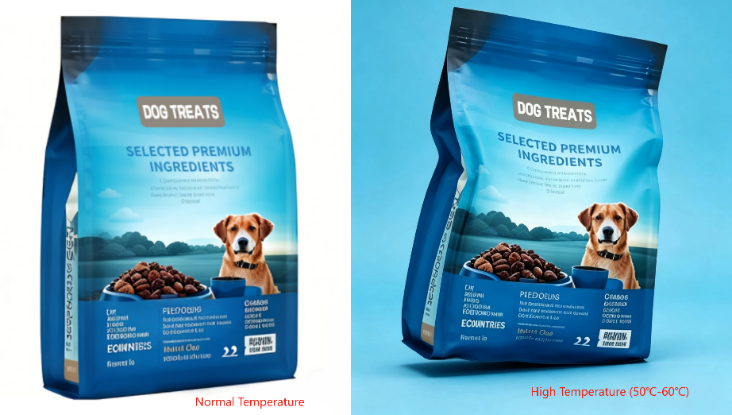
Figure 1: Comparison of packaging deformation under high-temperature
I. Problem Phenomenon:
During summer transportation, warehousing, or high-temperature container environments, pet food packaging bags may exhibit softening, sagging/collapsing, loss of stiffness, and even instability when stacked.
II. Main Causes:
1. Insufficient heat resistance of materials
Conventional PE or low-heat-resistant composite structures approach their softening point at elevated temperatures (typically above 50–60°C), resulting in a significant loss of overall stiffness.
2. "Resoftening" effect of the heat-seal layer
The inner heat-seal material of the packaging undergoes a certain degree of softening under high temperatures, weakening the structural support and making the bag more prone to deformation.
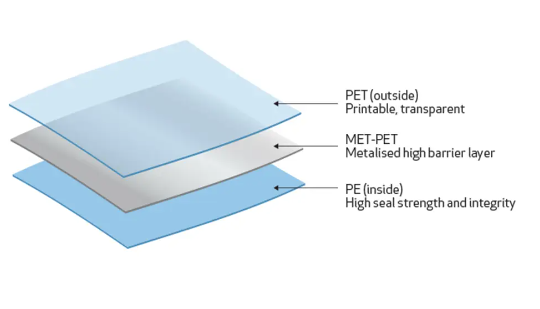
Figure 2: Structural diagram
3. Differential thermal deformation of multi-layer materials
Different materials within the composite film (such as PET, PA, PE, etc.) have different coefficients of thermal expansion. Under high temperatures, internal stresses are generated, leading to overall structural relaxation or wrinkling.
4. Compounding effect of filling weight/pressure
Pet food itself has a certain weight. When the packaging material softens under high temperatures, the gravitational force of the contents is more likely to cause the bag to sag or collapse.
III. Solutions:
1. Upgrade to a higher heat-resistant material system
Select high-heat-resistant structural materials, such as high-Tg PET, heat-resistant modified PE, or more stable composite film systems, to improve overall thermal stability.
2. Incorporate a stiffness-enhancing layer
Add a rigid support layer within the structure (e.g., thicker PET or MOPP layer) to improve deformation resistance under high temperatures.
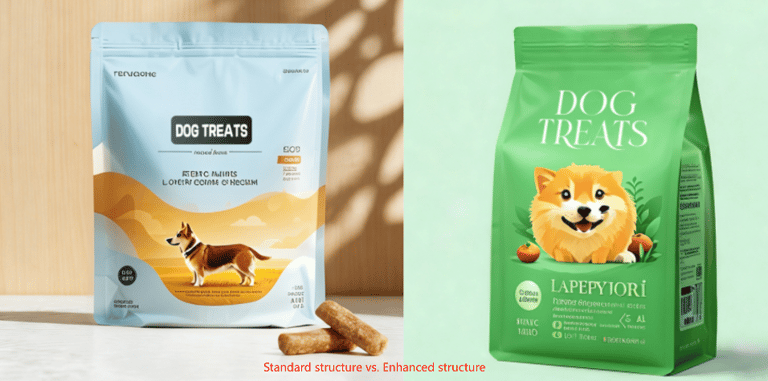
Figure 3: Comparison of optimized solutions
3. Optimize composite structure matching
Adjust the thickness ratios of each layer so that the thermal shrinkage rates of different materials are more closely aligned, thereby reducing internal stresses under high-temperature conditions.
4. Improve bag design/structure
Adopt structural designs such as eight-edge-seal bags or flat-bottom bags. These rely on geometric support rather than material stiffness alone to improve overall stability.
5. Control transportation and storage environments
Avoid prolonged high-temperature exposure or heat buildup in closed shipping containers throughout the supply chain.
IV. Summary:
High-temperature-induced softening of packaging is essentially the result of a combination of factors: insufficient material thermal stability, loss of structural stiffness, and imbalance of internal stresses. By taking a synergistic approach—material upgrading + structural optimization + process/environmental control—the stability of packaging in high-temperature environments can be significantly improved.
© 2026 LX PetFoodBag Manufacturing. All rights reserved.


Professional pet food packaging manufacturer with a 25,000㎡ facility and advanced printing technology. Delivering premium custom packaging solutions to global brands since 2010.
Contact
ADD: 123 Packaging Way,
Industrial District,
Guangdong. China
TEL : +8613380674348