
Why Do Heat Seals Tend to Crack?
7/13/20262 min read
I. Problem Phenomenon
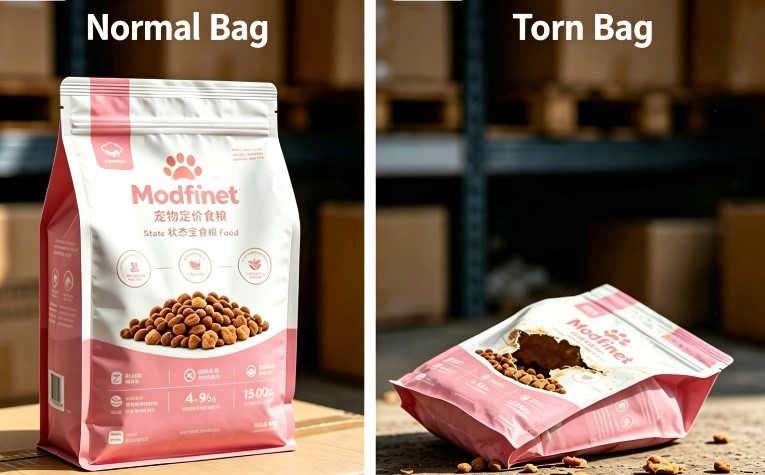
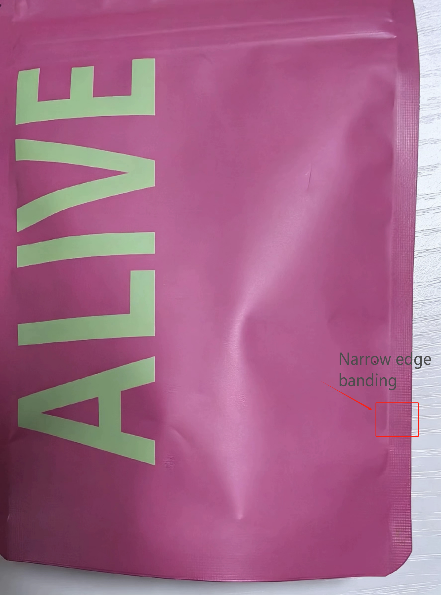
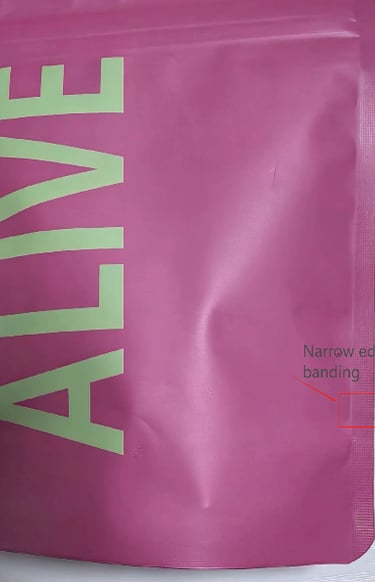
After transportation, stacking, or a period of storage, the sealed edges of the packaging develop cracks, air leaks, or "unsewn-like" separation.
Figure 1: Comparison Diagram of the Phenomenon
II. Root Causes
1. The seal itself isn't properly fused.
If the temperature, pressure, or dwell time is insufficient, the seal may appear to be "stuck" but not truly fused. Once subjected to stress, it easily gives way.
2. The materials don't "stick together" well enough.
Mismatched materials are like "using the wrong adhesive" — they tend to separate over time.
3. The seal width is too narrow and can't handle the load.
If the seal is too thin — like a single thread carrying the entire weight of the bag — it can easily be pulled apart and crack.
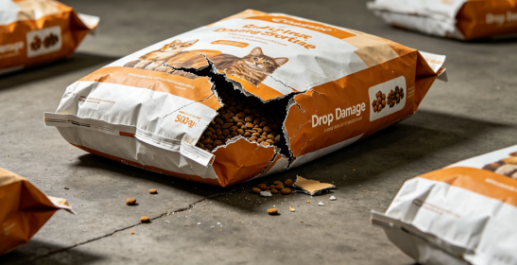
4. Transportation and stacking constantly "stress the seal."
After filling, during transit, drops, and stacking, the seal edges are repeatedly squeezed and pulled. Over time, this leads to fatigue and cracking.
5. Extreme temperatures (too hot or too cold)
Extreme temperatures can make the seal either too hard and brittle or too soft and weak, reducing its strength.
III. Solutions
1. Ensure the seal is "fully fused."
Optimize sealing temperature and pressure to achieve true material fusion, not just surface adhesion.
2. Use a more stable material structure.
Choose inner sealant layers better suited for heat sealing to create a stronger, more durable seal.
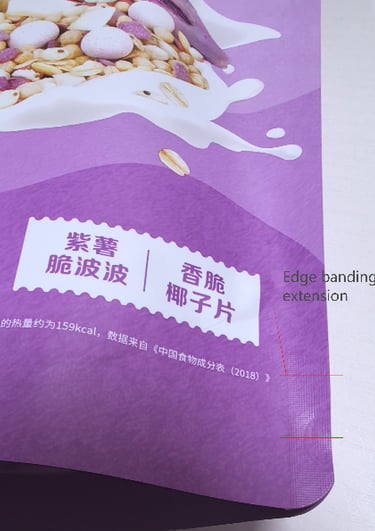
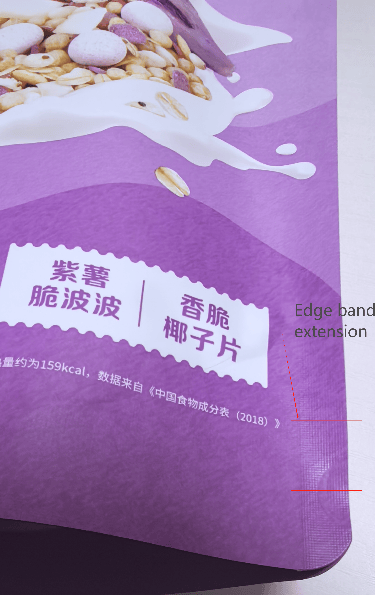
3. Make the seal wider for greater safety.
A wider seal is like "reinforcing the load-bearing structure" — it's much harder to pull apart.
Figure 3: Optimization Comparison Diagram
4. Enhance transport compression resistance.
Through structural design, ensure that stress is not concentrated on the seal edges during stacking and transit.
5. Optimize for environmental conditions.
Select heat-resistant or cold-resistant materials based on the temperature conditions of different target markets.
IV. Summary
Heat seal cracking is typically not caused by a single factor, but rather the combined result of "seal strength + material selection + transport stress + environmental conditions." By optimizing materials and structure, such issues can be effectively prevented.
© 2026 LX PetFoodBag Manufacturing. All rights reserved.


Professional pet food packaging manufacturer with a 25,000㎡ facility and advanced printing technology. Delivering premium custom packaging solutions to global brands since 2010.
Contact
ADD: 123 Packaging Way,
Industrial District,
Guangdong. China
TEL : +8613380674348